

By William Chen
What’s driving the momentum in Newark’s economy?
Newark has seen steady growth in jobs and economic output, supported by its large employer base, key institutions, ports and transportation, and a growing retail and creative sector. Its strategic location makes the city a major regional employment hub. That infrastructure gives entrepreneurs both challenge and advantage.
One recent study found Newark residents spend about $6 billion annually on goods and services—but a full one-third of that spending goes outside city limits. That means there’s approximately $2 billion in unmet retail demand locally, particularly for grocery stores, full-service restaurants, drug-stores, sporting goods, and home-improvement services. That gap represents opportunity for new businesses and expansions.
Programs and resources making a difference
To harness these opportunities, Newark has a growing suite of support efforts. Invest Newark’s “Navigator Service” helps small businesses—especially those owned by Black, Brown, and underrepresented entrepreneurs—with strategic advice, finance access, and connections.
The Urban Enterprise Zone (UEZ) offers tax incentives, façade and signage grants, and business retention programs in designated corridors. $2.3 million has been set aside for retail reactivation in Arts & Education District corridors alone.
Private-sector partnerships are also stepping up: Audible’s Business Attraction Program has helped over 30 businesses open in Tubman Square, investing more than $4 million, activating nearly 100,000 square feet of retail space, and creating or sustaining jobs locally.
Challenges for local businesses
Despite positive trends, many entrepreneurs face obstacles. Access to capital remains uneven, especially for smaller operators who struggle to meet financing requirements or lack collateral. Some businesses also contend with rising costs—rent, insurance, utilities—which squeeze margins. Aligning products and services with what neighbors want, while building awareness, is essential.
Another challenge is leakage: when residents can’t find what they need locally, they shop elsewhere. That means local businesses lose customers not because demand isn’t there—but because supply is missing, or information and convenience are lacking. Bridging that gap means better marketing, improved storefronts, extended hours, and smarter location choices.
What entrepreneurs can do now
Below are strategic steps for local businesses or prospective founders wanting to tap into Newark’s economic pulse:
- Start with where the demand is: Consider grocery, health & personal care, full-service dining or home improvement—areas where much spending is leaving Newark.
- Use available incentives: Check whether your business or location qualifies for UEZ benefits, façade grants, or small business lender programs. These can help lower startup costs significantly.
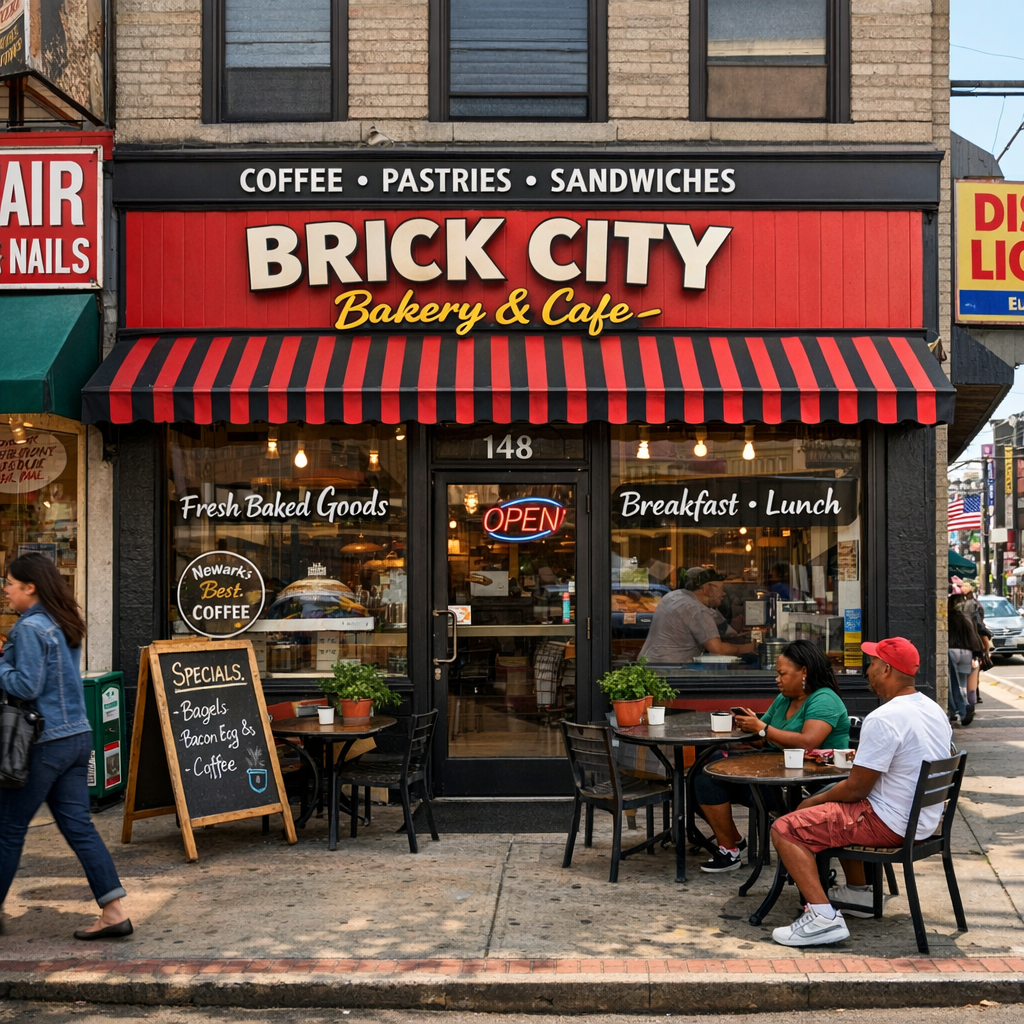
- Embrace culture, creativity, and unique experiences: Places that combine entertainment, local flavor, food, arts, and events tend to draw both locals and visitors. Partnering with cultural programs or events can amplify visibility.
- Build strong community ties: Engage neighbors, cross-promote with other small businesses, tap into resident preferences. Even many large institutions in Newark are investing in community benefit and anchor procurement—contracts and supplier relationships with local firms.
- Plan for resilience: Factor in cost planning for utilities, health insurance, rent, and adapt to fluctuations in demand. Also pay attention to consumer behavior shifts toward online, takeout, delivery, experiences rather than just products.
Looking ahead
Newark’s economy is moving—slowly but with purpose—toward a more inclusive, creative, and locally driven model. The right mix of investment, support, and entrepreneurial energy can help close spending gaps, enhance quality of life, and grow businesses that root themselves in neighborhoods. For entrepreneurs ready to build, Newark has both the demand and the infrastructure to support them.